
The 'Macarena' wing: why Red Bull backed off before Spa
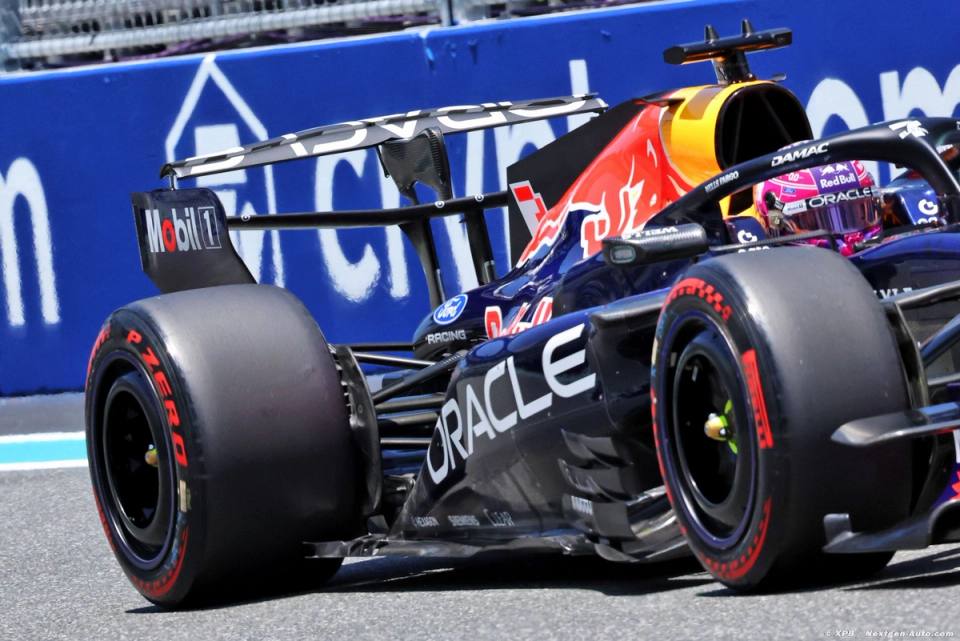
A rear wing that rotates to pick up top speed — in the paddock, they call it the 'Macarena', a nickname coined by Frédéric Vasseur himself. Two Max Verstappen crashes later, the FIA took a close look at the system, and Red Bull chose to leave theirs in the truck for the Belgian Grand Prix rather than risk a third.
 By Marc ErnoultCreator of Overtake
Written with the help of AI, reviewed and approved before publication. Read our editorial policy.
Ferrari invents it, Red Bull follows its own way
Ferrari unveiled this movable rear wing concept back at winter testing in Bahrain: a system that pivots on the straights to cut drag beyond what standard DRS already allows. The idea drew enough interest that Red Bull built its own version mid-season, with a different angle and opening logic than Maranello's. McLaren is developing a comparable system of its own, while Mercedes has not developed one for 2026.
Two crashes, and the FIA steps in
Max Verstappen suffered two incidents linked to the wing: an off-track excursion in Austrian qualifying, then another during the Silverstone race. The Dutchman called the situation "super dangerous." Those two close-together accidents pushed the FIA to demand answers from both Red Bull and Ferrari, rather than wait for a third warning sign. The root cause traces to the moment the wing closes: an airflow reattachment issue that can, under certain conditions, destabilize the car at full speed.
The concept stays legal, but Red Bull has to redo its homework
The FIA isn't banning the movable wing, but it has demanded a detailed failure-mode analysis from both teams. The goal: make sure the system can neither get stuck open nor close so slowly that it catches the driver off guard. FIA single-seater director Nikolas Tombazis put it plainly: the point is making sure these systems are safe. Red Bull is reverting to its early-season setup for Spa while it sorts out reliability. Ferrari, by contrast, hasn't reported a single failure since introducing the system and keeps running it unchanged.
A retreat that lands at the worst possible track
The timing doesn't help Red Bull. Spa-Francorchamps, with its Kemmel straight, is one of the tracks where a straight-line speed gain matters most over a single lap. Giving up the movable wing right before this weekend costs the Austrian team an edge it hoped to use, while Ferrari has been running its version uninterrupted since winter. How many races it takes Red Bull to close that gap, without repeating the same failures, remains to be seen. Since then, Verstappen has confirmed the wing's return for the Hungarian Grand Prix.
Verstappen summed it up plainly: the team is going back to the old version, "and we'll see when the very latest one is ready to be used again." A wing meant to deliver a straight-line advantage has turned, for a few weekends, into a real-world reliability test. Right now, Ferrari is winning it without even trying hard.
Keep reading
Technical & Regulations
2030 engine: FIA sends its V8 plan to manufacturers, standard engine riles them
The FIA has circulated its draft engine rules for 2030 or 2031 to all six power unit manufacturers. It features a more compact turbo V8 than first announced, lighter cars, a much smaller budget, and a standardised engine option the manufacturers reject outright.
Technical & Regulations
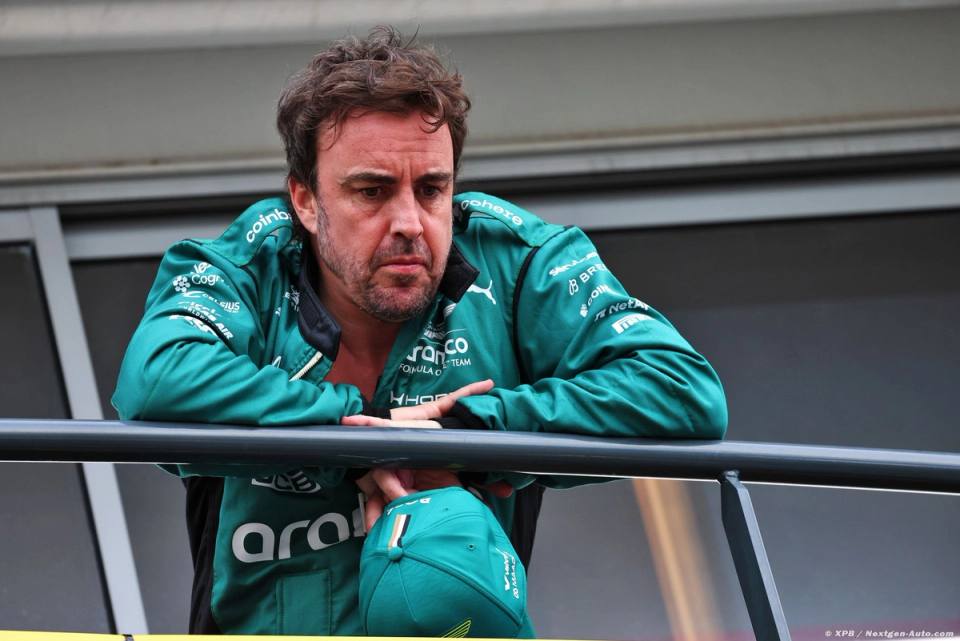
At Zandvoort, Honda's New Engine Puts Alonso's Future on the Line
On paper, it's just another engine update in a championship where every team tweaks its machinery week after week. In practice, what played out at Zandvoort this weekend looked more like an exam — for Honda, and for Fernando Alonso's future at Aston Martin.
Drivers
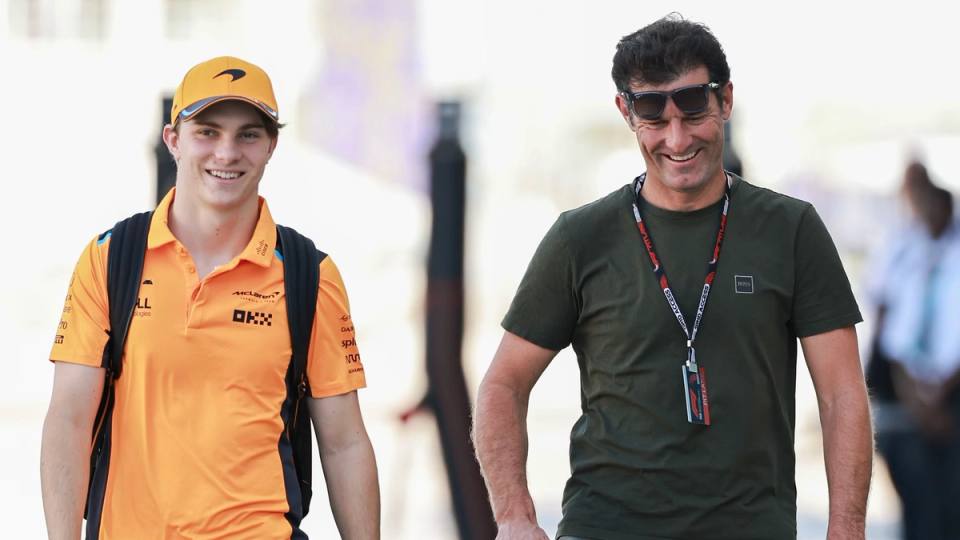
Oscar Piastri parts ways with manager Mark Webber after seven years
Oscar Piastri and Mark Webber are going their separate ways. The two Australians have announced that their management partnership, which began in 2019 and carried the McLaren driver all the way to Formula 1, has ended by mutual agreement.