
Sepang: the FIA owns up to the bug that froze the cars on the formation lap
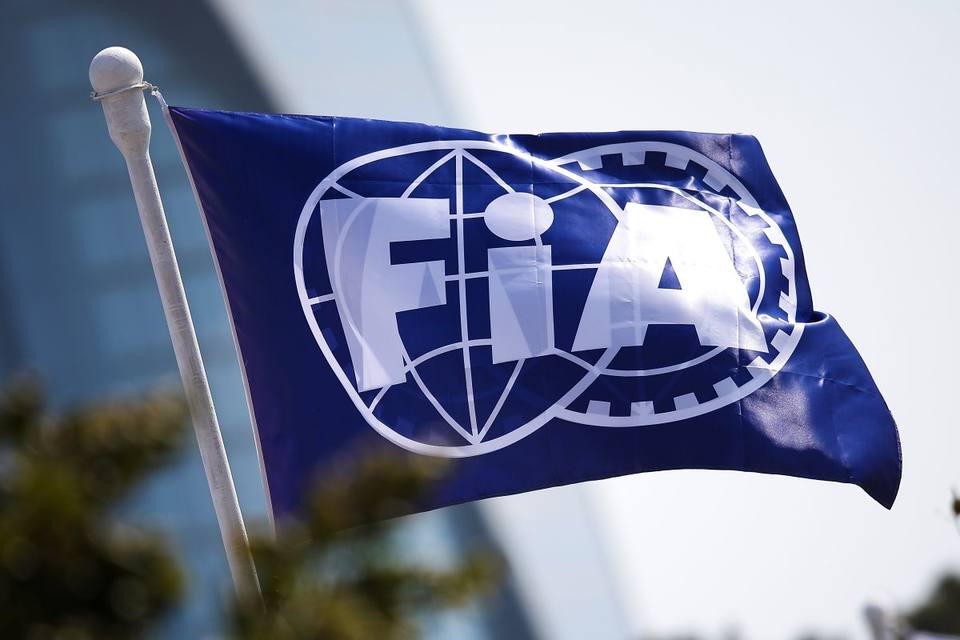
Dead throttle pedals, cars stranded at a crawl, a red flag before the race had even started: Sunday's Bahrain Grand Prix, relocated to Sepang, produced one of the most baffling scenes of the season. Shortly after the finish, Nikolas Tombazis, the FIA's single-seater director, explained what happened: a bug in the federation-supplied software that had never been tested at such low speeds.
 By Marc ErnoultCreator of Overtake
Written with the help of AI, reviewed and approved before publication. Read our editorial policy.
A formation lap that descended into farce
Already pushed back 40 minutes by a heavy downpour, the start was to be taken behind the safety car, in the first wet race of the 2026 season. Pole-sitter Max Verstappen was the first to lose power while crawling along. Lewis Hamilton, alongside him on the front row, ground to a halt soon after, and several other cars followed. Race control had no choice but to throw the red flag, and it took 53 minutes before the race could finally get going.
The drivers were furious straight away. Sergio Pérez called the situation unacceptable, while Lando Norris found it horrible and saw it as proof that electronics have taken over cars that now draw 47% of their power from the electric side. Oliver Bearman admitted his astonishment at discovering that the FIA could control his throttle pedal, describing the experience as frightening.
Wet-weather mode caught out
The heart of the problem lies in the cut in electrical power to 250 kW required in wet conditions. The software that manages this restriction, supplied by the FIA and developed with the teams over recent years, had been tested, notably by Red Bull and Racing Bulls during tyre tests. But never behind a safety car, and therefore never at such low speeds.
On this formation lap, a concertina effect set in: Verstappen slowed a lot at the front, some drivers behind braked harder in surprise, and several cars came almost to a standstill in certain mini-sectors. According to Tombazis, they then entered a kind of loop that prevented power from being redeployed. The initial theory is that every throttle input was redirected towards recharging the MGU-K, which explains why the pedal felt disconnected from the engine. Mercedes-powered cars seemed less affected, but Tombazis sees no technical reason for that: it all came down to the speed each car dropped to.
A fix written in minutes
Once the diagnosis was made, FIA engineers rushed out an update lifting the restrictions tied to the 250 kW limit in the affected mini-sectors. The file was then sent to the teams, who had to install it on their cars. Around twenty minutes of work according to Tombazis, who acknowledged that the wait must have felt endless for spectators and apologised for it. He also conceded that the fix was untested and far from final, while insisting it compromised neither safety nor sporting fairness.
Not everyone took it so seriously. Eighth in his Aston Martin-Honda, Fernando Alonso joked about the special treatment: with a 50% retirement rate this season, he has never seen anyone stop a race for him.
An admitted mistake, a partial guarantee
One awkward question remains: how could such a scenario slip past the FIA until round 16, when rain so often means a safety car? Tombazis did not dodge it. In his view, every bug stems from a mistake, and a bit more testing would probably have caught this one in time. He added that no software in the world is free of them.
A thorough debrief has been promised. The pledge, however, remains cautious: this specific bug will not happen again, but Tombazis will not guarantee that no other problem will arise. He also acknowledged that relying so heavily on electrical energy makes the whole system more complex.
The episode leaves a mark on 2026 regulations already contested by part of the grid. The FIA's quick reaction saved the race, but the question raised by Norris remains open: how far can F1 hand over the behaviour of its cars to lines of code without losing control of them?
Keep reading
News
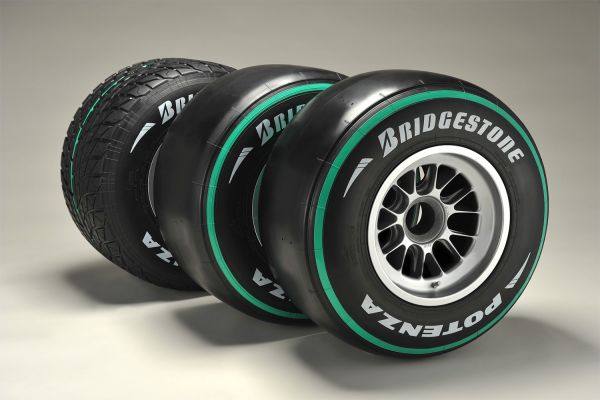
Bridgestone plots its F1 return as Pirelli faces a 2029 challenge
Fifteen years after leaving Formula 1, Bridgestone is busy behind the scenes. The Japanese tyre maker sent a senior delegation to Singapore and then Austin with a clear goal: position itself for the FIA's next tender and supply the sport's tyres from 2029.
News
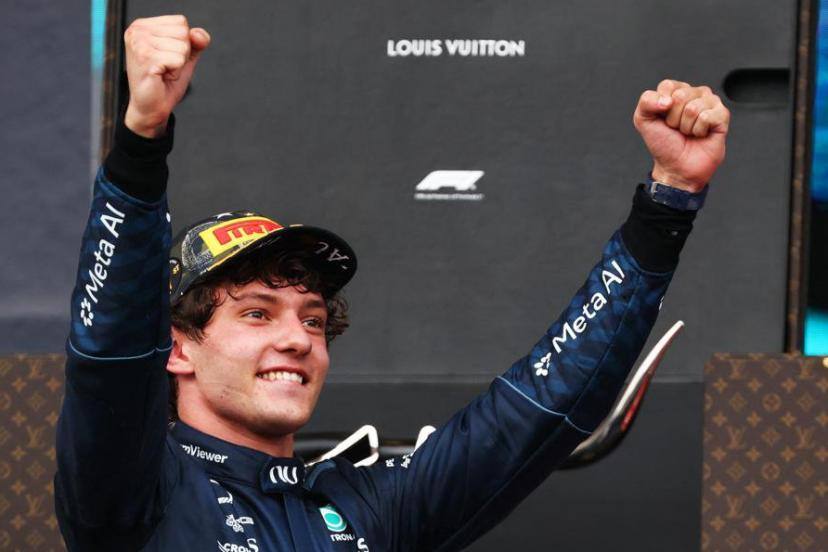
Austin: Antonelli in total control, the title awaits in Mexico
Starting from pole, Kimi Antonelli cruised to his ninth win of the season at the Circuit of the Americas on Sunday. Leclerc and Verstappen completed the podium, but the Italian's coronation will have to wait one more week.
News
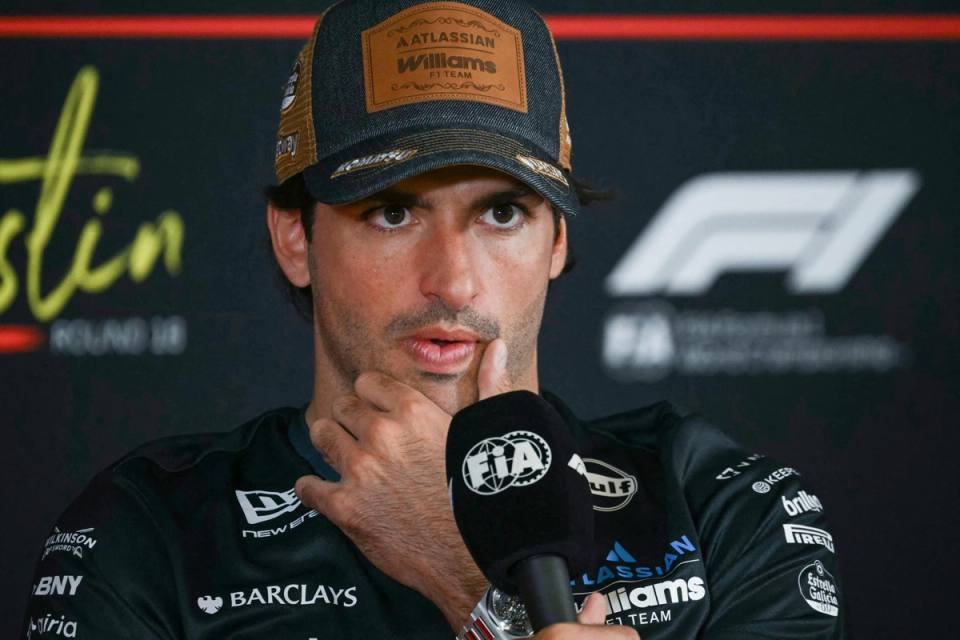
Qatar and Abu Dhabi: Sainz won't take the season finale for granted
In Austin, the talk is of heat, wind and a bumpy track. But another question hangs over the paddock: will the championship really finish in the Middle East? Carlos Sainz said out loud what others wouldn't, even if it earned him a call to order.