
2027: F1 shortens its Grands Prix to make its new engine fit
The F1 Commission has just approved a cut in Grand Prix distance, from 305 to 290 kilometres, starting in 2027. It's a direct consequence of the new engine rules burning more fuel — and a sign the technical overhaul is still being written on the fly.
 By Marc ErnoultCreator of Overtake
Written with the help of AI, reviewed and approved before publication. Read our editorial policy.
On paper, this was only supposed to be about rebalancing how much power comes from combustion versus electric. In practice, that rebalancing has just forced Formula 1 to rethink how long its races are, because there wasn't time to fit bigger fuel tanks before next season.
A harder-working combustion engine burns more fuel
The 2027 rules aim for a split close to 58% combustion and 42% electric, compared with the near-even split used today. The goal is to fix a flaw that surfaced as soon as the 2026 hybrid units arrived: electric energy management judged too punishing down the straights, which sometimes forced drivers to lift off simply because the battery had run dry. That fix looks sensible enough on paper. Except a combustion engine working harder inevitably burns more fuel, and the tanks haven't gained a single extra litre of capacity since the regulations were written.
Cutting the race rather than growing the tank
Enlarging the fuel tanks would have meant reworking the chassis mid-cycle, at a development cost none of the manufacturers were willing to absorb at this stage. So all eleven teams gave their in-principle backing to a simpler option instead: shortening the Grands Prix. Race distance drops from a 305-kilometre minimum to roughly 290, a cut of about 5%, typically two to three laps depending on the track. At Monza, for instance, the race could go from 53 laps down to around 51. Monaco, which already runs a shorter 260-kilometre distance, is a murkier case: some reports suggest it will be exempted outright, others that it will be trimmed further in line with the rest of the calendar.
A handful of other changes riding along in the same package
The F1 Commission used the moment to tidy up a few other corners of the 2027 rulebook. The three-hour cap that used to apply to weather-interrupted races is gone, even though the two-hour limit on actual on-track running stays in place; a hard cut-off time has simply been set for wrapping up any restart after prolonged bad weather. Gearbox homologation has also been scrapped, handing engine manufacturers development freedom they hadn't had in several seasons. On their own, these look like minor housekeeping next to the engine story. Taken together, they confirm that a good chunk of the 2027 technical and sporting regulations is still being rewritten just months before it takes effect. The changes now go to the FIA World Motor Sport Council, a step generally seen as a formality given the agreement teams have already reached.
Billed as a stopgap until the new generation of engines settles into a steady rhythm, this shorter race distance nonetheless looks likely to stick around. Nobody in the paddock is ruling out keeping it beyond 2027 if the energy equation doesn't get solved as quickly as promised.
Keep reading
News
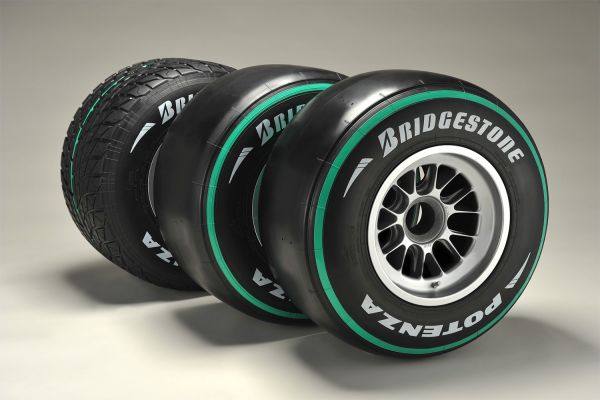
Bridgestone plots its F1 return as Pirelli faces a 2029 challenge
Fifteen years after leaving Formula 1, Bridgestone is busy behind the scenes. The Japanese tyre maker sent a senior delegation to Singapore and then Austin with a clear goal: position itself for the FIA's next tender and supply the sport's tyres from 2029.
News
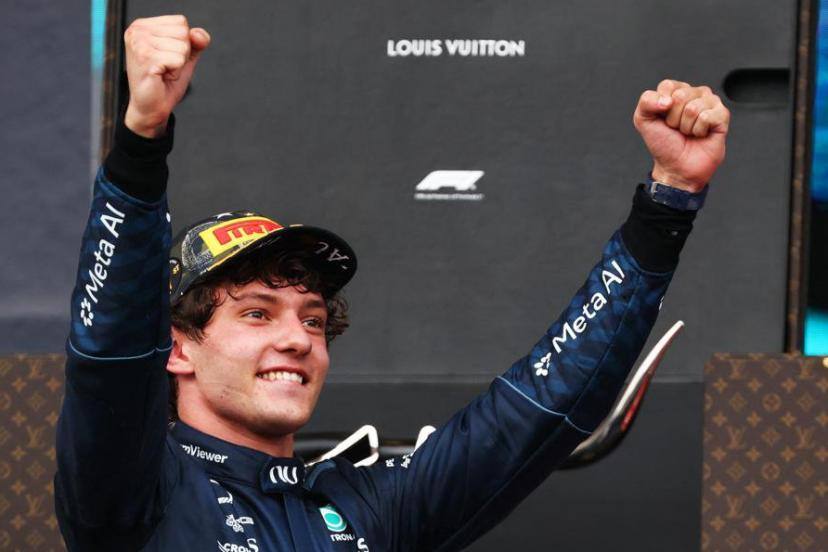
Austin: Antonelli in total control, the title awaits in Mexico
Starting from pole, Kimi Antonelli cruised to his ninth win of the season at the Circuit of the Americas on Sunday. Leclerc and Verstappen completed the podium, but the Italian's coronation will have to wait one more week.
News
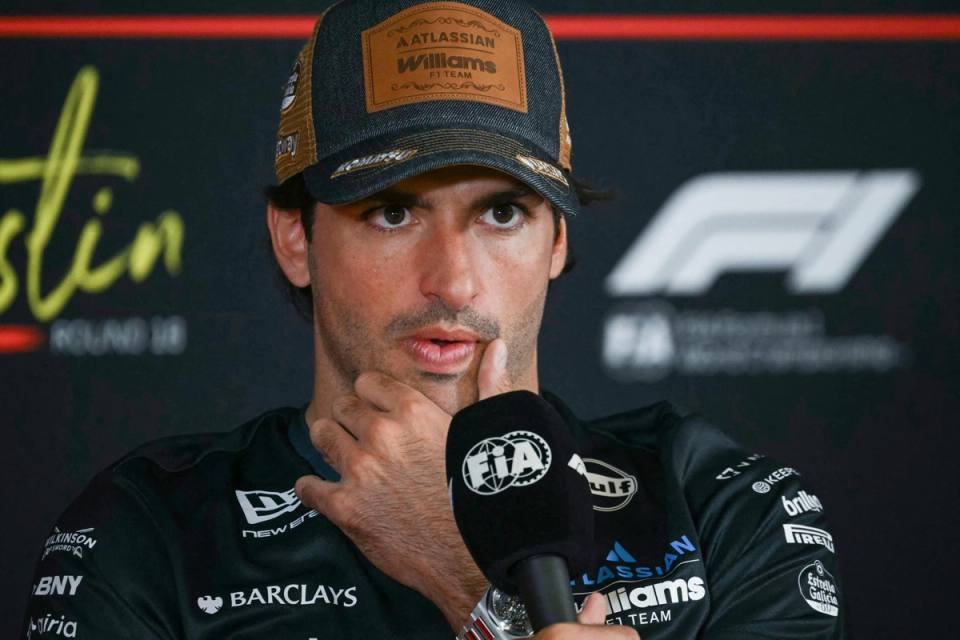
Qatar and Abu Dhabi: Sainz won't take the season finale for granted
In Austin, the talk is of heat, wind and a bumpy track. But another question hangs over the paddock: will the championship really finish in the Middle East? Carlos Sainz said out loud what others wouldn't, even if it earned him a call to order.