
Madring: Formula 1 Dives Into the Unknown at Madrid
This weekend, Formula 1 takes on a track no driver has ever raced. The Spanish Grand Prix is getting a new face, a new name and a new backdrop: welcome to the Madring, in Madrid, for a round with zero historical reference points.
 By Marc ErnoultCreator of Overtake
Written with the help of AI, reviewed and approved before publication. Read our editorial policy.
A circuit with no history to lean on
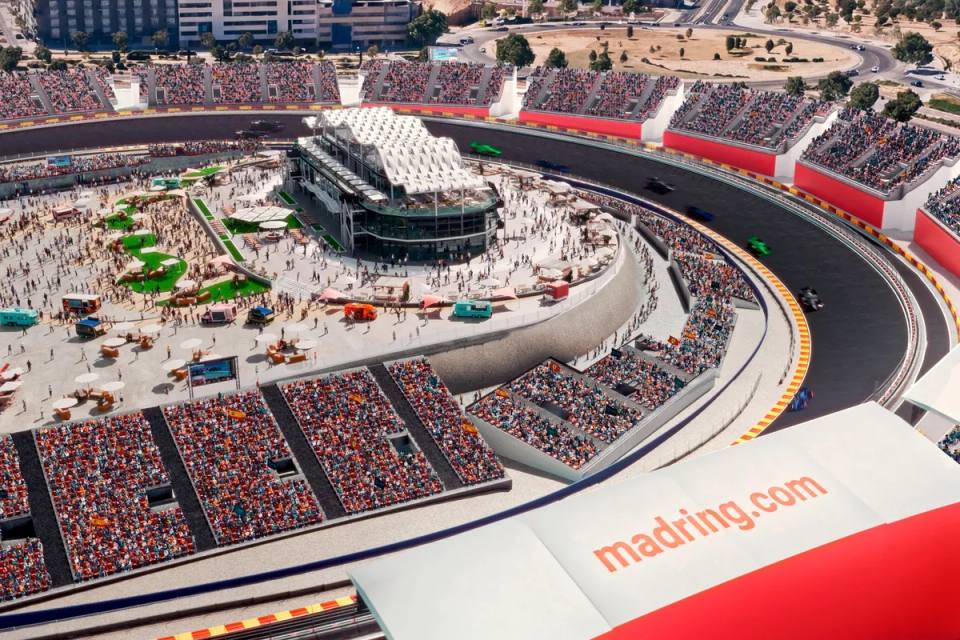
For 35 years, turn one of the Spanish Grand Prix has been a left-hander at Montmeló. That changes on Sunday, September 13: the grid takes on the Madring, a hybrid 5.416-kilometre, 22-corner layout built around the IFEMA exhibition centre, roughly eight kilometres from Madrid-Barajas airport. The track blends a fast permanent-road section with a twistier urban portion, featuring sharp elevation changes and heavy braking zones. The race runs 57 laps, covering 308.524 kilometres, and Pirelli has nominated the C2, C3 and C4 compounds for this debut. No lap record, no reference pole, no past winner: it's the first entirely new circuit on the calendar since Las Vegas in 2023, and teams get only Friday's two hours of free practice to learn it before Saturday's qualifying.
La Monumental, the weekend's talking point
Much of the track's identity comes down to a single corner: La Monumental, a huge right-hander banked at 24 degrees, set to become the steepest banked turn on the current grid. That's a rare piece of architecture in a sport that flattened out most of its fast corners years ago. Another quirk: barely 200 metres separate the grid from the first braking zone, putting immediate pressure on Sunday afternoon's start.
Madrid returns to F1 after more than four decades
The Spanish capital isn't actually new to the championship. The Jarama circuit, north of the city, hosted nine editions of the Spanish Grand Prix between the late 1960s and 1981. The race then moved to Barcelona, first on the Montjuïc street circuit, then at the Circuit de Barcelona-Catalunya from 1991 onward. The Madring now takes over for the next decade, while Barcelona keeps a spot on the calendar, just on a biennial basis.
A real-world test for everyone
Drivers and engineers head into this Grand Prix largely in the dark, with simulator work their only preparation. Heading in, Kimi Antonelli leads the drivers' championship with 267 points, but a brand-new track often reshuffles the order for a weekend, when past experience counts for less than the ability to adapt on the spot.
Several drivers spoke of a particular excitement heading into the weekend — eager to bounce back after the Monza fallout, but also facing a circuit they've only known through simulation data until now.
Whether the Madring lives up to its promise of spectacle, or joins the list of quickly forgotten tracks — a ghost that has lingered since the ill-fated Valencia experiment — remains to be seen. The answer starts Friday, in free practice.
Keep reading
Drivers
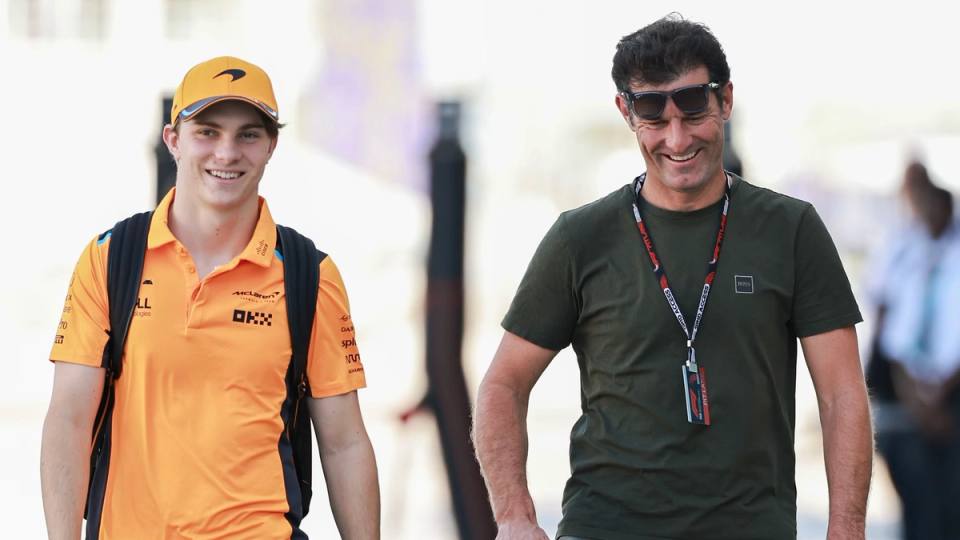
Oscar Piastri parts ways with manager Mark Webber after seven years
Oscar Piastri and Mark Webber are going their separate ways. The two Australians have announced that their management partnership, which began in 2019 and carried the McLaren driver all the way to Formula 1, has ended by mutual agreement.
Race & Results
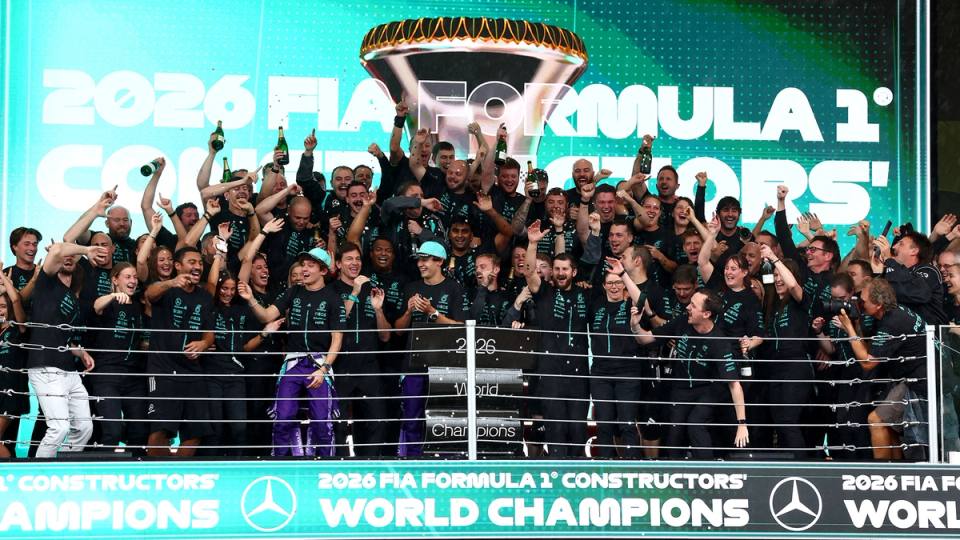
Interlagos: Norris masters the rain as Mercedes clinch the constructors' title
On pole, beaten at the very first corner, Lando Norris still went on to win the Brazilian Grand Prix by more than 14 seconds from Max Verstappen, after 71 laps on a track that never stopped changing. Fourth and fifth for George Russell and Kimi Antonelli gave Mercedes the constructors' title, their first since 2021.
Teams & Business
F1 TV rights: Apple now eyes markets beyond the United States
Apple has no intention of stopping at the United States. Speaking during Liberty Media's quarterly results presentation on 5 November, Stefano Domenicali said he expects the tech giant to go after Formula 1 broadcast rights in other countries as existing contracts come to an end.